Homeowner Safety Guide

Here are a few of the hidden hazards we look for in every home.

Some defects don't announce themselves. They sit quietly behind walls and panel covers — until they cause a fire, flood a slab, or make a home uninsurable. Here's what to know before you buy.

Defects that change the deal.

These four issues alone are responsible for the majority of insurance denials, fire losses, and post-closing surprises in South Florida real estate. Here's what they look like and what they mean for you.

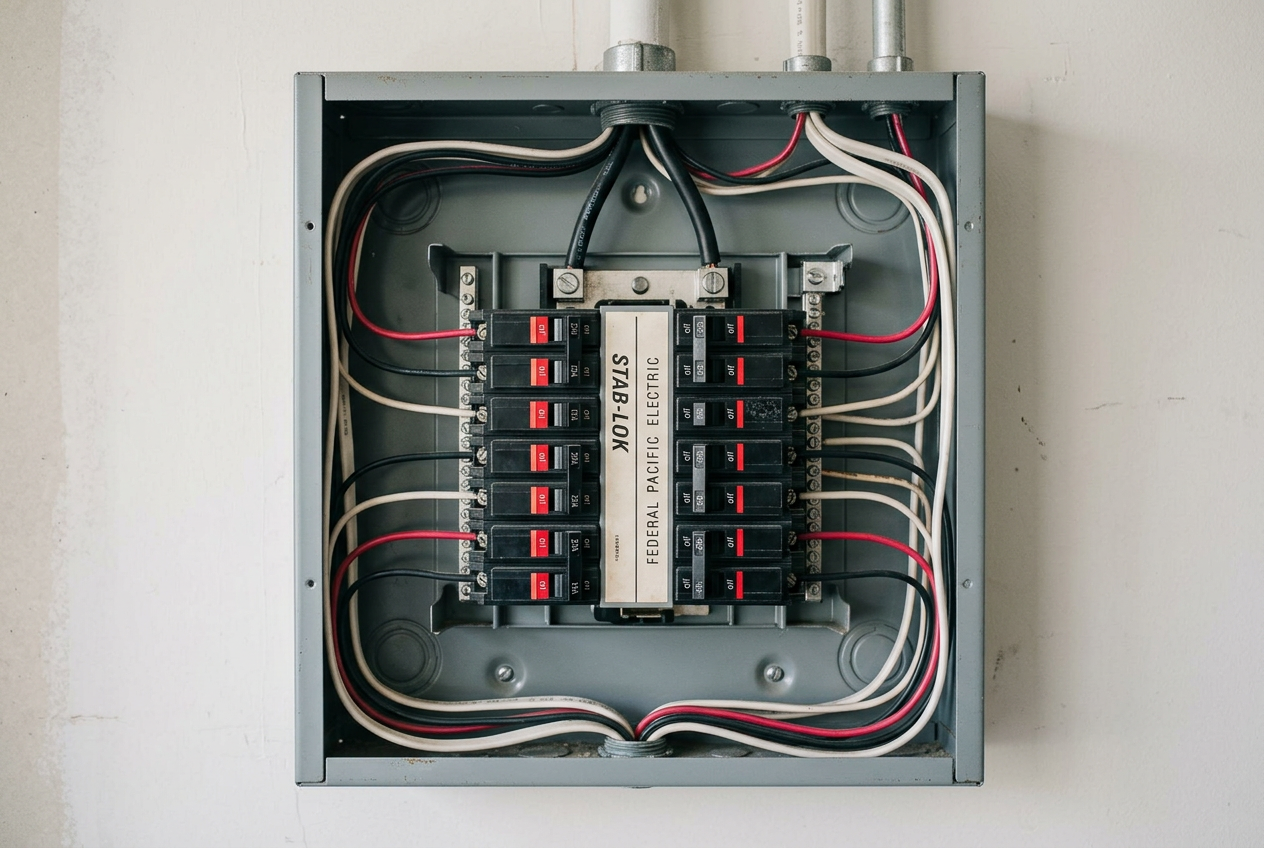
Aged Federal Pacific Stab-Lok electrical panel with red-indicator breakers
Critical Risk

Electrical · Panel

Federal Pacific (FPE) Stab-Lok Electrical Panels

Installed in millions of homes from the 1950s through the early 1980s, Federal Pacific Stab-Lok panels are recognizable by the red strip across each breaker handle. Independent testing has shown a significant percentage of these breakers fail to trip during an overload or short circuit.

Why it matters

When a breaker doesn't trip, heat builds inside the panel and inside the wiring — the leading mechanism behind electrical fires. In Florida, most insurance carriers will not write or renew a policy on a home that still has an FPE panel installed.

Tell-tale signs

  • Brand name 'Federal Pacific' or 'FPE' on the panel cover
  • Red center stripe on every breaker toggle
  • Breakers that feel loose, warm, or buzz when on
  • Insurance company asking for a 'panel update' before binding coverage

What to do

Plan for a full panel replacement by a licensed electrician. We document the panel make, model, and condition in your inspection report so you can negotiate or budget appropriately before closing.
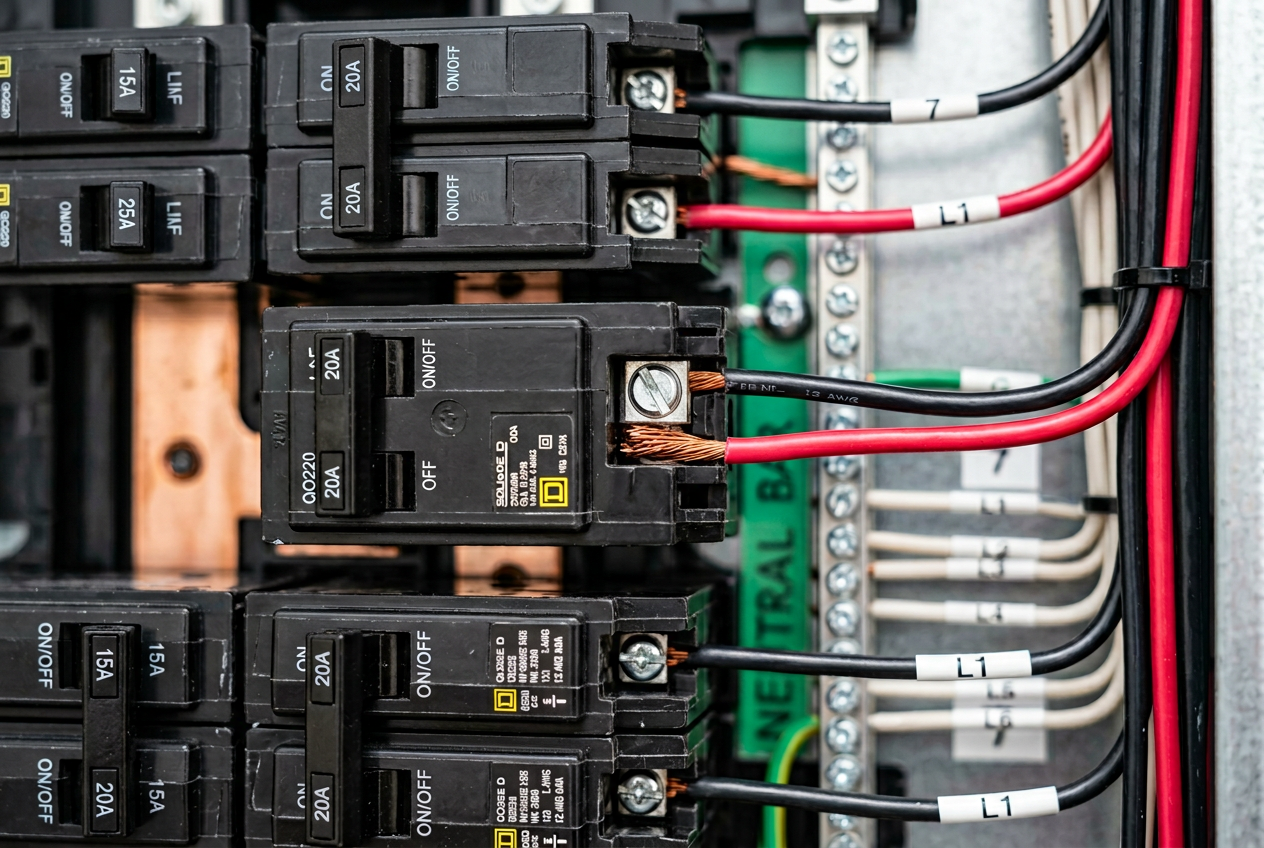
Two separate wires terminated under the same breaker screw — a double-tap defect
High Risk

Electrical · Wiring

Double-Tapped Breakers

A 'double tap' is when two separate circuit wires are landed under a single breaker terminal that's only listed for one conductor. It's almost always the result of someone adding a circuit later without installing a new breaker.

Why it matters

The screw can only apply proper pressure to one wire at a time. The looser wire arcs, heats up, and can melt insulation or ignite the panel. It also overloads the single breaker, which means it may not trip when the combined circuit demand is too high.

Tell-tale signs

  • Two wires entering one breaker lug at the panel
  • Discolored or melted insulation near a breaker
  • Breakers that trip frequently or feel hot
  • Burning plastic smell at the panel

What to do

A licensed electrician should add a tandem breaker, a separate breaker, or a properly listed pigtail. The fix is usually inexpensive — but it must happen before the panel is closed back up.

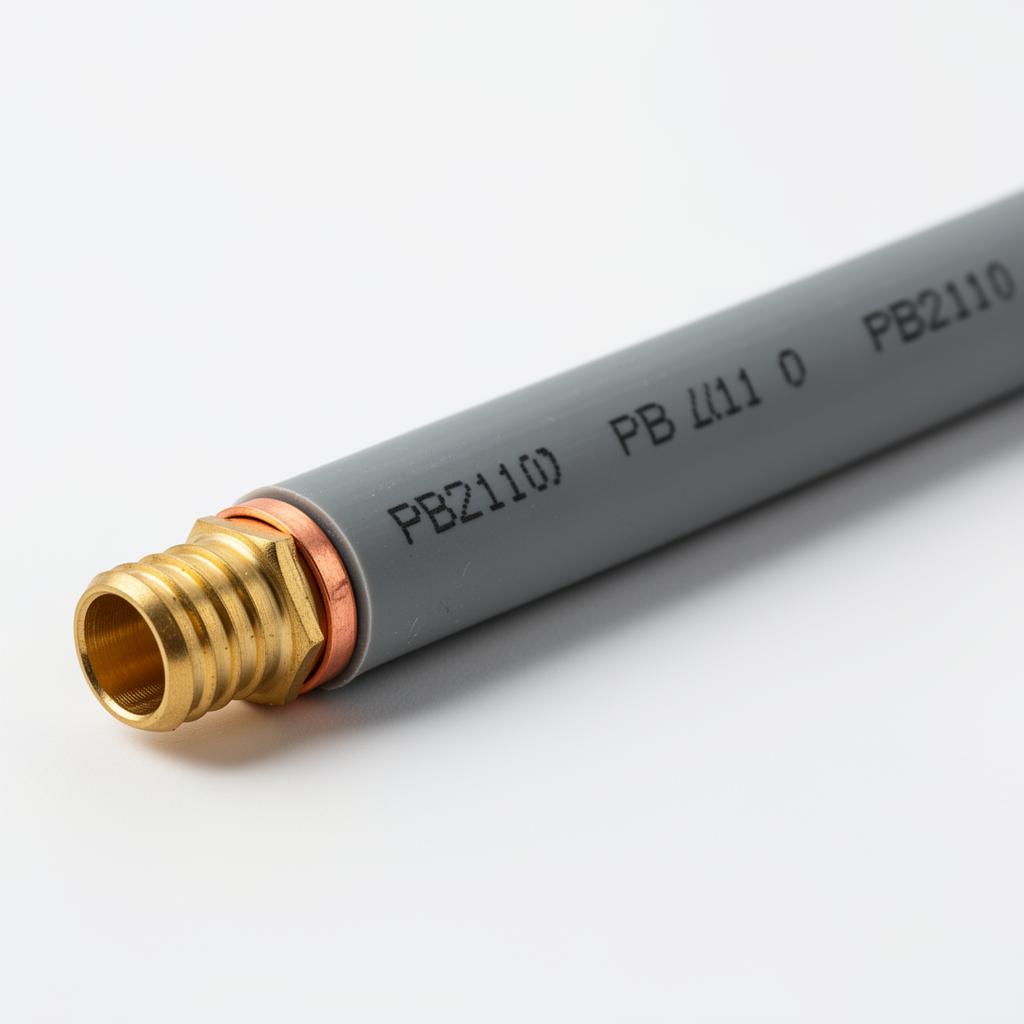
Grey polybutylene plumbing pipe with copper crimp fittings showing a split
Critical Risk

Plumbing · Supply

Polybutylene Pipe (Poly / PB)

Polybutylene is a grey (sometimes blue or black) plastic water-supply pipe installed in homes from roughly 1978 to 1995. Chlorine and other oxidants in municipal water react with the plastic over time, making the pipe brittle from the inside out.

Why it matters

Failures are sudden and almost always happen behind walls or above ceilings — meaning the first sign of a problem is usually a flooded room. Like FPE panels, most Florida insurance carriers either refuse coverage or charge a significant premium for homes with active poly supply lines.

Tell-tale signs

  • Grey plastic pipe entering the water heater or wall stub-outs
  • Copper crimp rings or grey acetal fittings at every joint
  • Stamped markings 'PB2110' on the pipe surface
  • Random pinhole leaks or water staining on ceilings and baseboards

What to do

Whole-home re-pipe with PEX, CPVC, or copper. We flag every visible run of poly in your report with photos so you have leverage at the negotiation table.

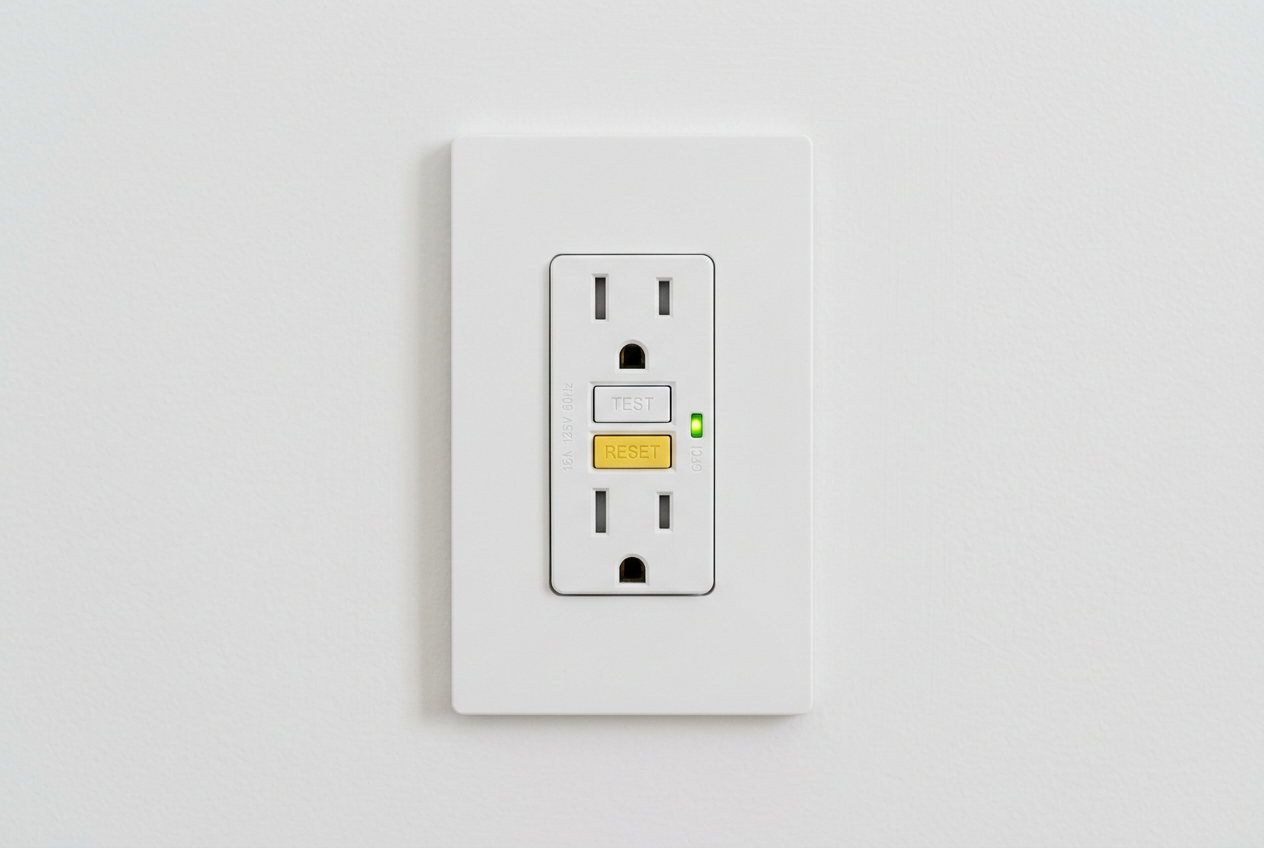
Modern GFCI outlet with test and reset buttons installed in a tiled bathroom
High Risk

Electrical · Safety Devices

Missing GFCI Protection in Wet Areas

A GFCI (Ground-Fault Circuit Interrupter) is the outlet with the 'TEST' and 'RESET' buttons. It senses the tiny current imbalance that happens when electricity starts flowing through water — or through a person — and shuts off the circuit in milliseconds.

Why it matters

Without GFCI protection, a hair dryer dropped in a sink or a worn extension cord near a pool can become lethal. Florida code (and the National Electrical Code) requires GFCI protection in every location where outlets are likely to come in contact with water.

Tell-tale signs

  • Standard outlets — no 'TEST' / 'RESET' buttons — within 6 ft of any sink, tub, shower, or pool
  • Outlets in unfinished basements, garages, crawlspaces, or outdoors with no GFCI
  • GFCI buttons that won't reset, or that trip immediately when reset
  • Outlets older than the early 1980s (before GFCI requirements expanded)

What to do

GFCI outlets are inexpensive and most can be installed by a licensed electrician in under an hour each. Replacing the first outlet on a circuit can protect every downstream outlet on the same line.

Where GFCIs Belong

If water can reach it, it needs a GFCI.

Walk your home with this list. Any standard outlet in one of these locations should be replaced — it's a one-hour fix that can save a life.

Quick test

Press TEST on a known GFCI — power should cut. Press RESET — power returns. If either button does nothing, replace the outlet.

Bathrooms

All outlets within 6 ft of the basin

Kitchens

Every counter-top outlet, no exceptions

Pool & Spa Areas

Within 20 ft of the water's edge

Exteriors & Patios

All outdoor outlets, year-round

Garages & Workshops

Including ceiling-mounted outlets

Laundry Rooms

All outlets serving washing machines & sinks

Also On Our Radar

Other defects worth understanding.

Aluminum Branch Wiring

Used in the late 1960s and early 1970s, aluminum branch wiring expands and contracts at outlets and switches, loosening connections and creating fire hazards. Look for 'AL' stamped on the wire jacket.

Cast Iron Drain Lines

Common in homes built before 1980. Cast iron rusts from the inside out — a failed line can mean tearing up slab floors. We use cameras and moisture meters to assess condition where possible.

Zinsco / Sylvania Panels

Like FPE, Zinsco panels (often colorful breaker handles) are known for breakers fusing to the bus bar. They look fine until they don't trip. Plan for replacement.

Missing AFCI Protection

Arc-Fault Circuit Interrupters detect dangerous arcing inside walls — a leading cause of residential fires. Required in bedrooms and most living areas of newer homes.

Don't let a hidden defect become a closing-day surprise.

Every Imperial inspection includes a thorough check for the hazards on this page — documented with photos and clear next steps.

Client Reviews

What clients say after the inspection.

Leave a Google Review

Had a great experience? Share it on Google.

Your feedback helps future buyers, sellers, and investors choose Imperial with confidence.

Scan to leave a Google review for Imperial Property Inspections

Scan to review us

Review us on Google